
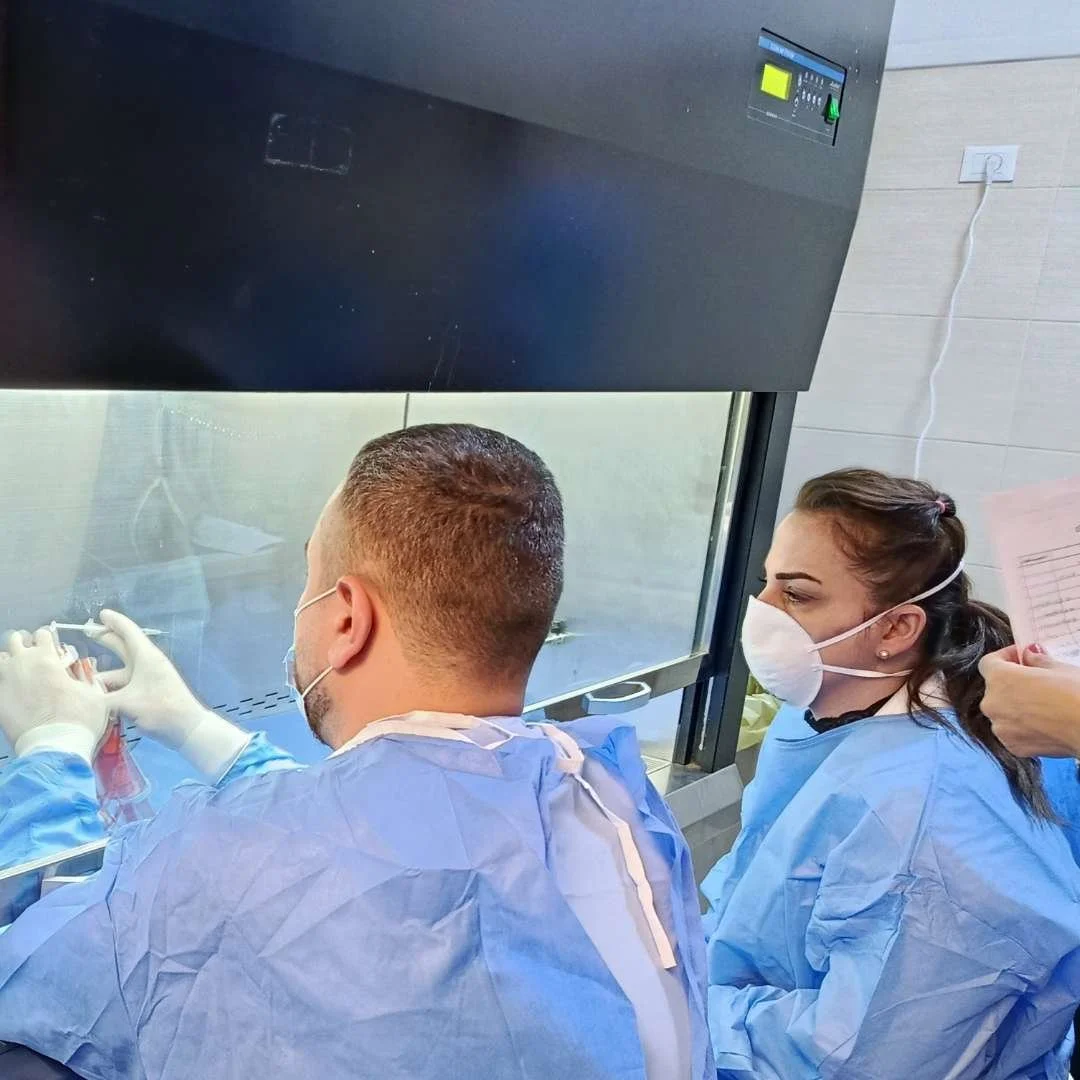
This story highlights a successful partnership between the World Health Organization (WHO) EMRO and country office, Childhood Cancer International (CCI) and the local member foundation BASMA to implement a specialized pediatric oncology nurse training in Syria. A key outcome is the "train-the-trainer" model, creating a sustainable ripple effect where newly skilled nurses can train others. This initiative serves as a practical model for advancing GICC objectives by building a self-sustaining, skilled workforce, even in fragile health systems.
This collaborative achievement was made possible through the dedicated partnership of BASMA, with funding from Childhood Cancer International (CCI) and the essential technical and operational support of the WHO Regional Office for the Eastern Mediterranean (EMRO) and the WHO Syria country office.
The initiative focused on enhancing the capabilities of nurses through specialized pediatric oncology training, a direct contribution to the GICC's strategic objective of strengthening the childhood cancer workforce. A core component of its design is the creation of a sustainable "ripple effect." The nurses trained are now equipped to act as mentors and trainers themselves, disseminating their critical skills to peers across the country. This cascade model is fundamental to building a self-sustaining, high-quality nursing workforce, a key pillar of the WHO CureAll framework.
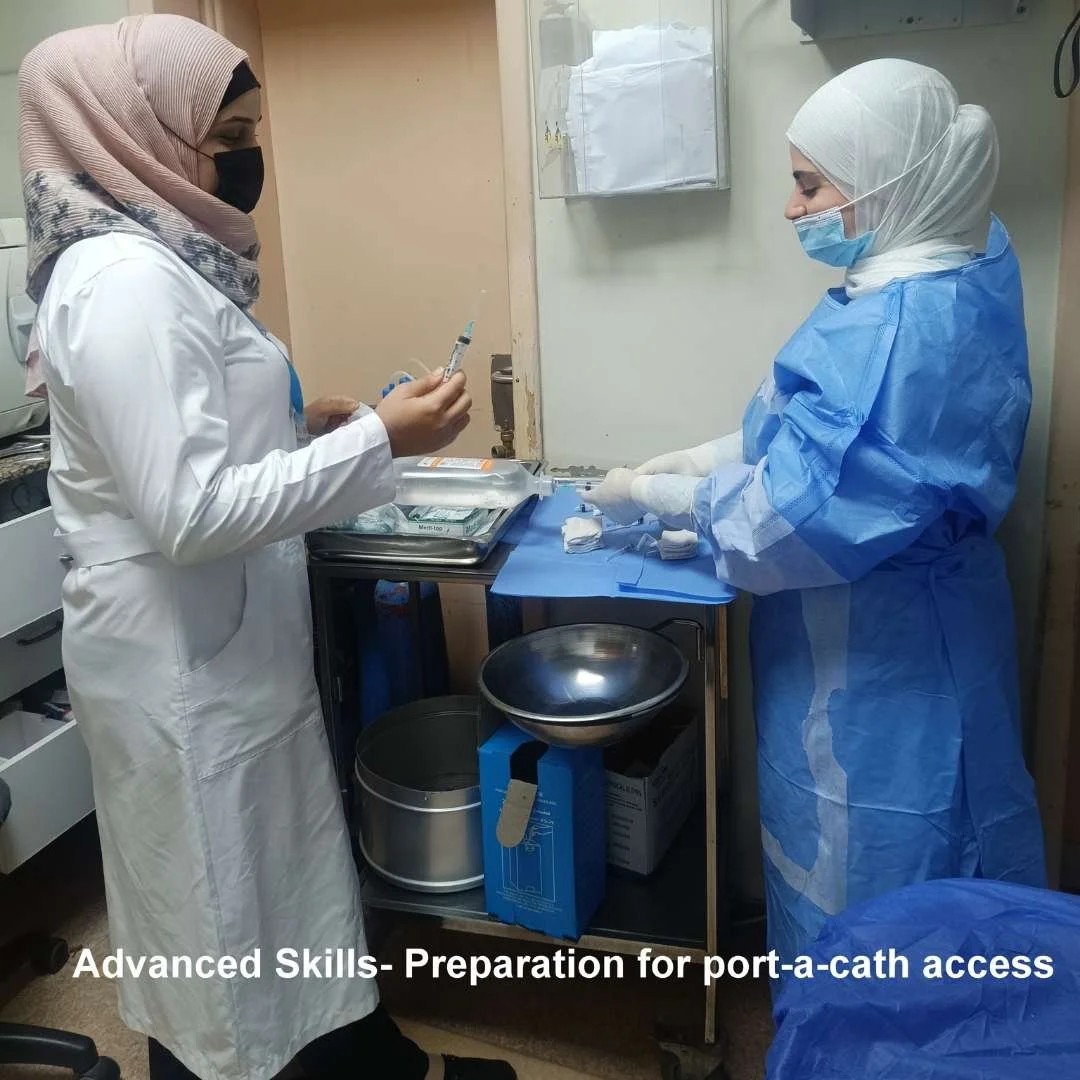
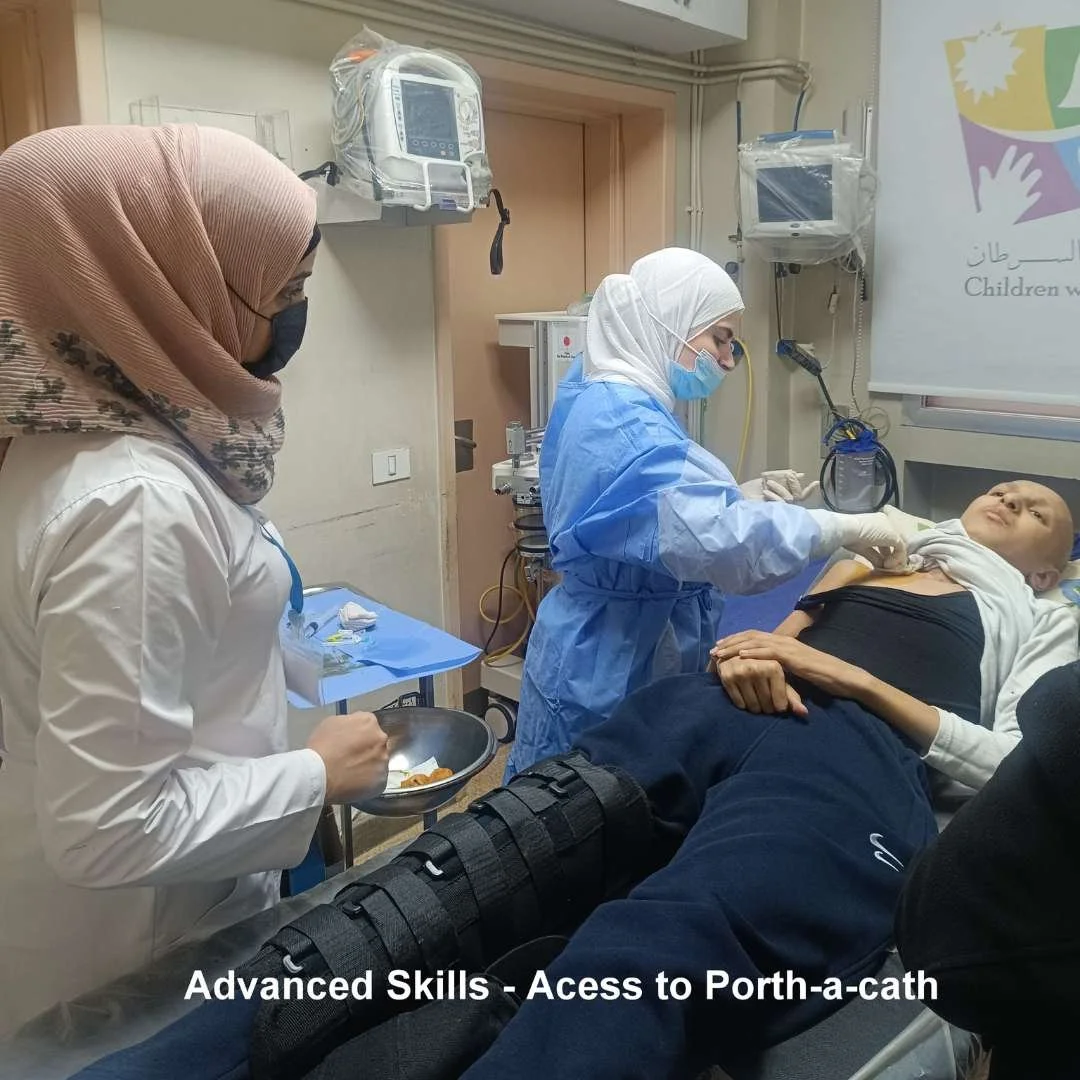
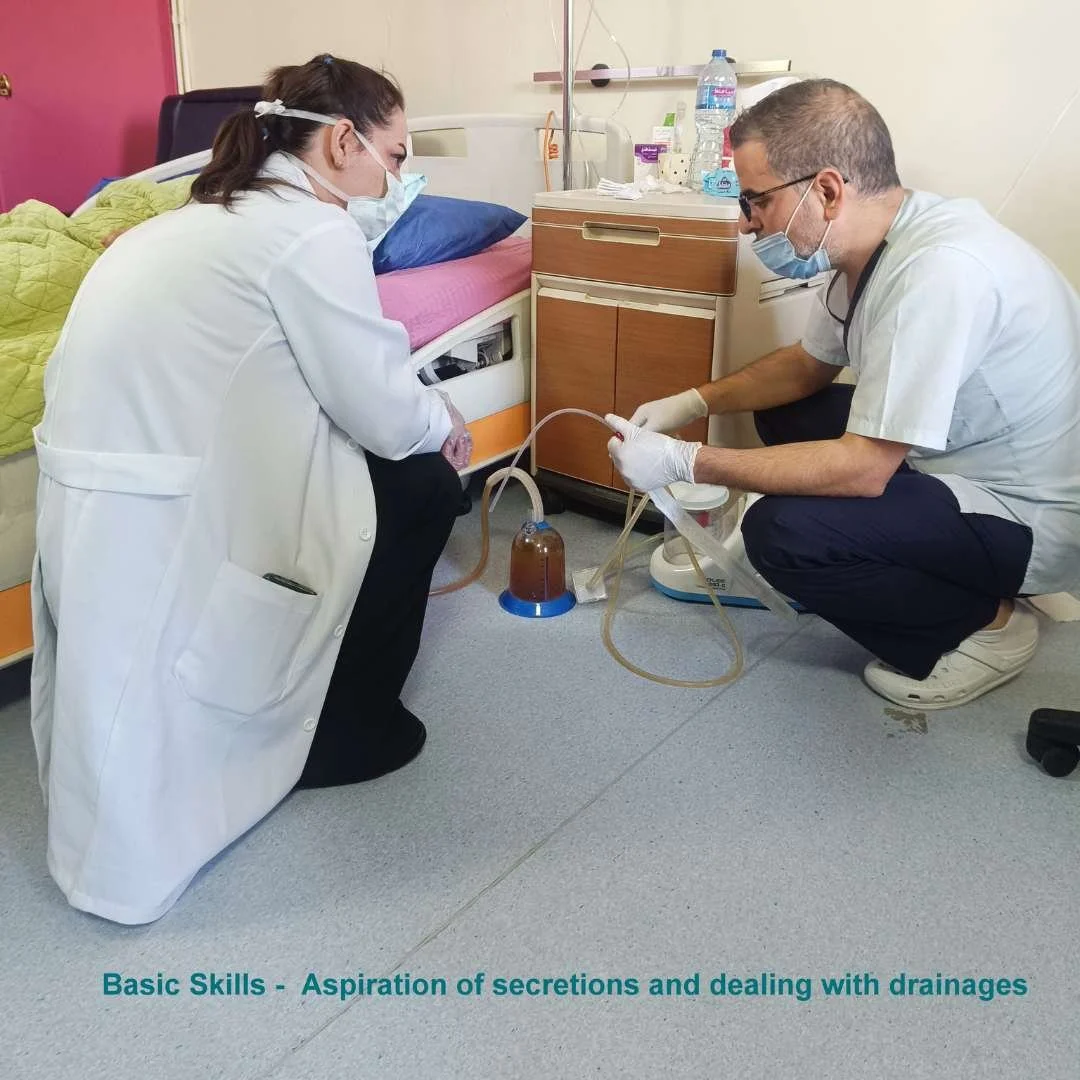
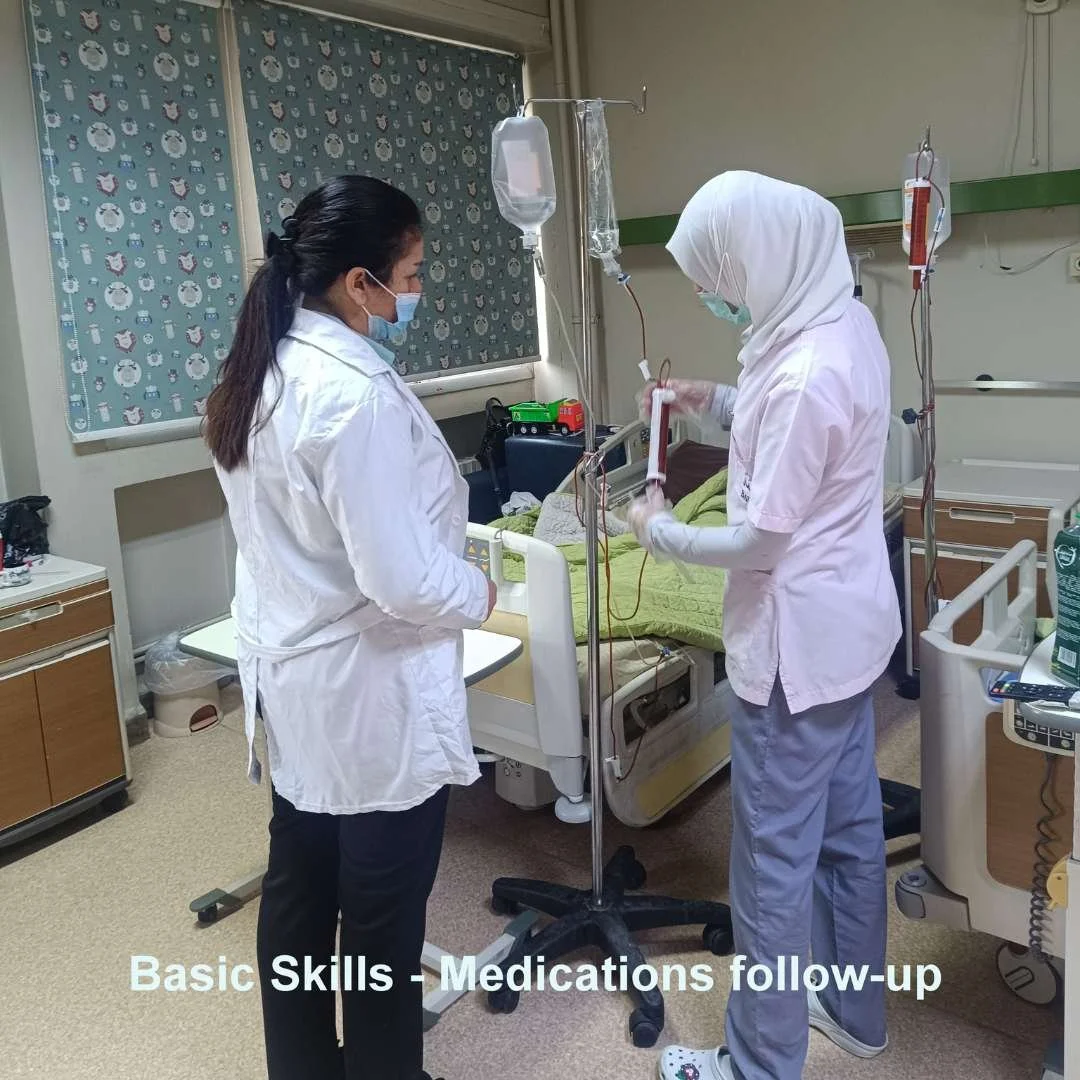
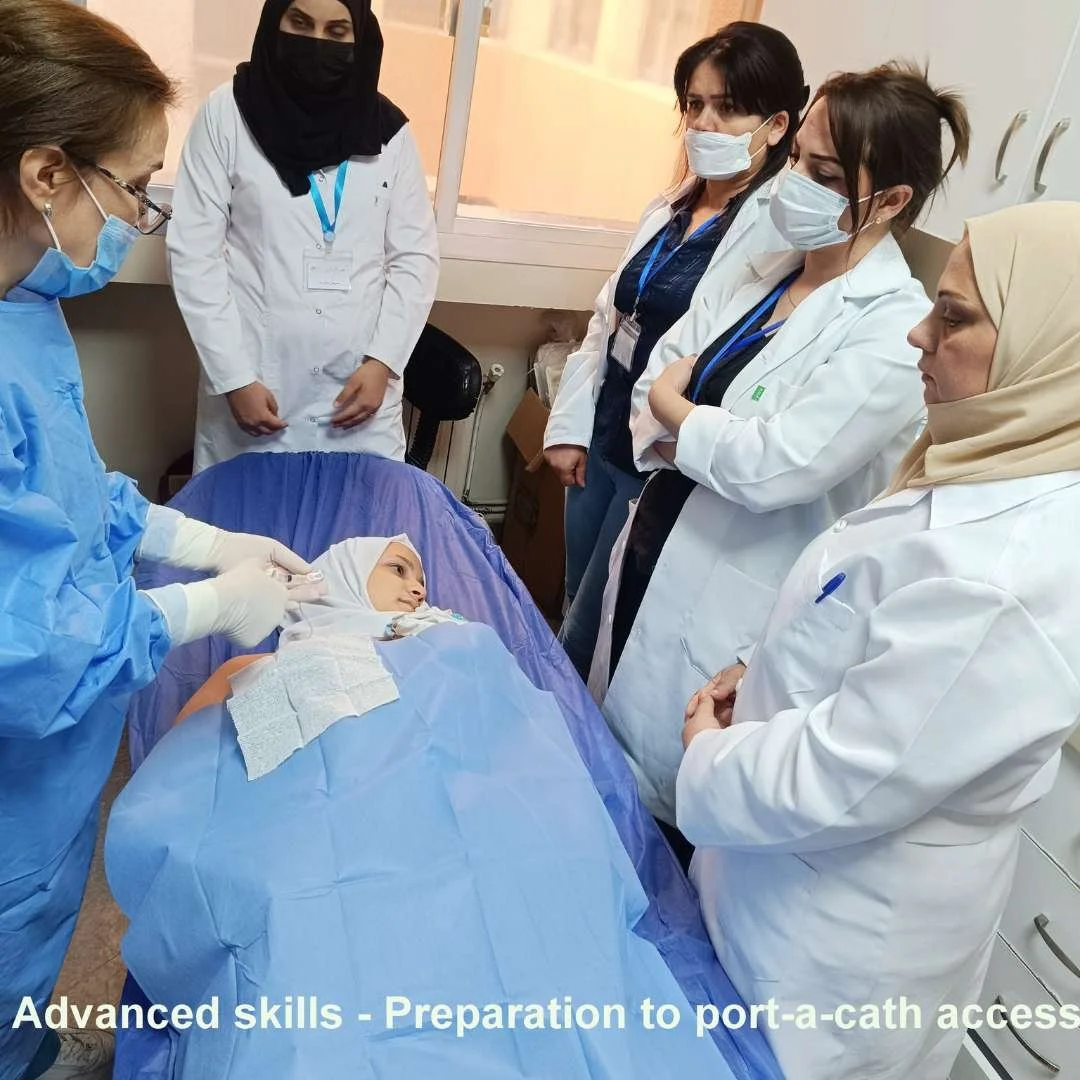
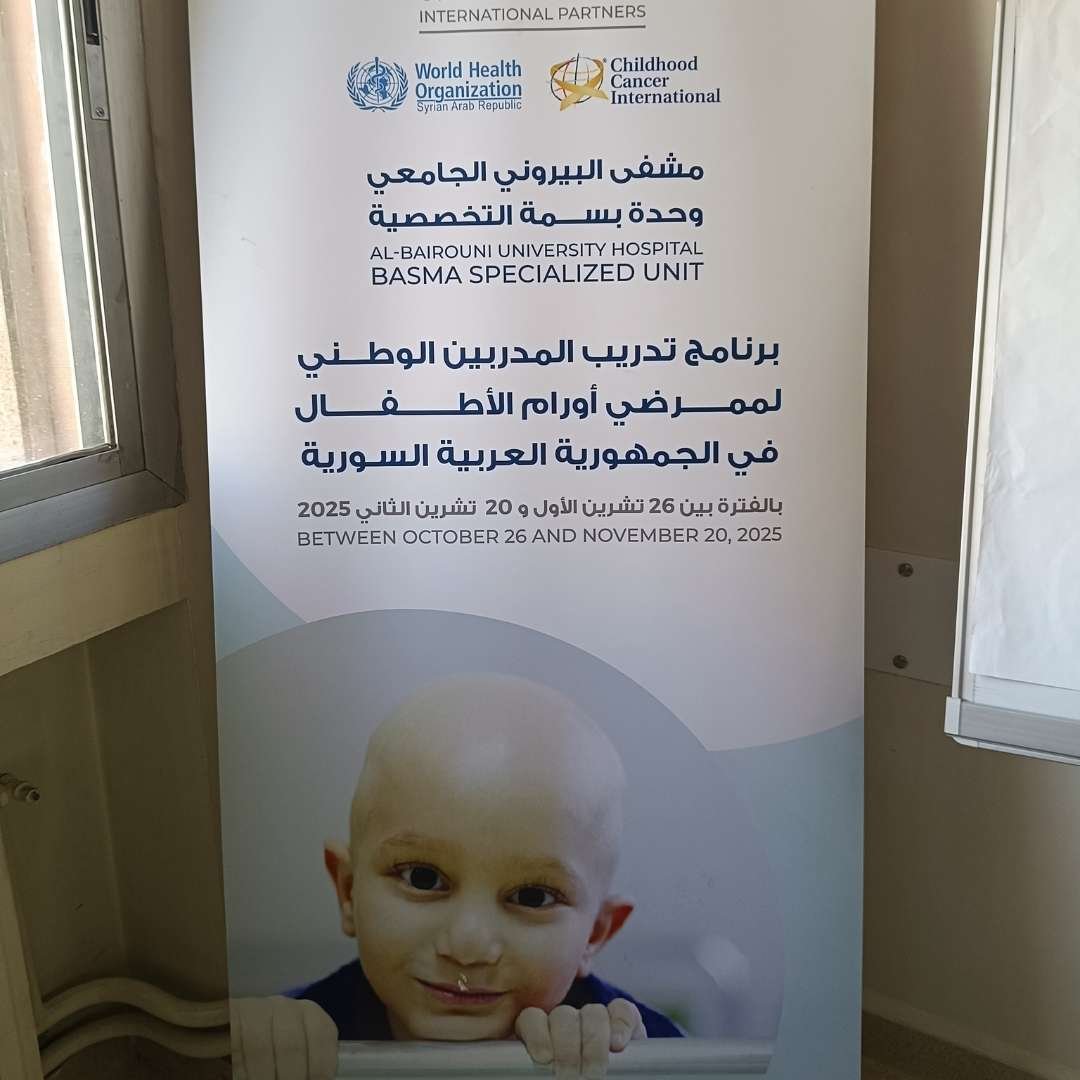
The project's success in navigating initial challenges demonstrates that strengthening foundational cancer care is achievable even in fragile settings. It underscores the power of an integrated partnership model—leveraging WHO's technical leadership, CCI's global advocacy and funding, and the invaluable on-the-ground implementation of a local member organization.
We share this story hoping it offers practical insights and encouragement to other countries beginning their GICC implementation journey. It stands as a testament to what can be accomplished through shared commitment, providing a replicable example of how to build sustainable capacity and bring us closer to the goals of the Global Initiative for Childhood Cancer.